10 Advantages of Technology in Daily Life With Real Examples
Published: 26 Aug 2026
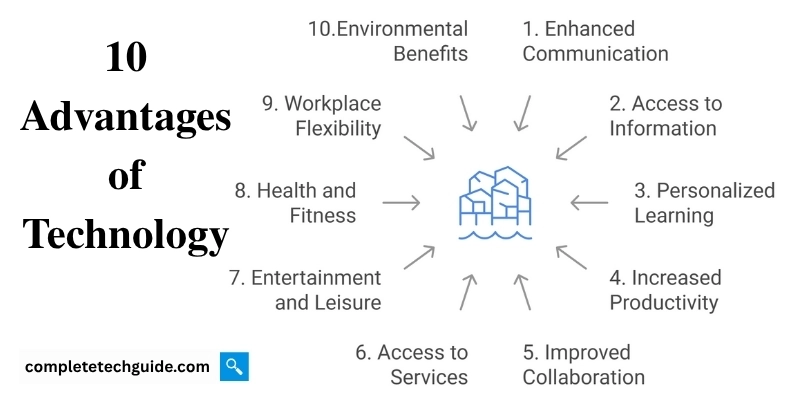
Technology has become an essential part of modern life, changing how people communicate, learn, work, manage health, and access services. The advantages of technology can be seen in almost every area of daily life, from faster communication and online education to improved productivity and better healthcare solutions.
Technology helps individuals and businesses save time, solve problems more efficiently, and connect with information and people around the world. Whether it is artificial intelligence, smart devices, digital platforms, or online services, modern technology continues to improve the way we live and work.
In this article, we will explore the top 10 advantages of technology in daily life with real-world examples and explain how technology benefits education, workplaces, healthcare, communication, and society.
What Are The Advantages of Technology?
The advantages of technology refer to the positive ways digital tools, devices, and innovations improve human life. Technology helps people communicate instantly, access knowledge, automate tasks, improve healthcare, and create new opportunities for learning and business growth.
Some major benefits of technology include:
- Faster communication
- Easy access to information
- Improved education opportunities
- Higher workplace productivity
- Better healthcare services
- More convenient daily activities
Technology in Daily Life at a Glance
The table below shows the main areas where technology improves everyday activities and the practical benefits it provides.
| Technology Area | Practical Advantage |
|---|---|
| Communication | Faster connection across distances |
| Information | Quicker access to knowledge |
| Education | Flexible and personalized learning |
| Work | Higher productivity and time savings |
| Collaboration | Easier remote teamwork |
| Services | More convenient access to banking, shopping, and healthcare |
| Entertainment | Greater choice and on-demand access |
| Health | Easier monitoring and remote care access |
| Remote Work | More workplace flexibility |
| Environment | Better resource and energy efficiency |
10 Advantages of Technology in Daily Life
Here you’ll see the advantages of technology in our daily lives and their explanation with practical life examples.
1. Enhanced Communication
Technology has made communication faster, easier, and more accessible. In today’s world, with just a few clicks, we can communicate with anyone and anywhere. Tools like Zoom, Skype, and WhatsApp make it easy to have video calls, send messages, and share files.
Whether it’s for work or personal conversations, these tools help us stay connected no matter the distance.
Example: Imagine a business meeting where teams from New York, London, and Tokyo collaborate in real time. Technology makes this possible without worrying about time zones or distance.
How technology improves communication:
- Instant messaging and video calls
- Global business communication
- Faster information sharing
- Better connection between remote teams
2. Access to Information
The internet has transformed how we gather information, bringing huge amounts of knowledge to our fingertips. Google Scholar, online journals, and online archives offer a diverse range of resources for scholars, students, and individuals of all ages.
Platforms such as Coursera and Udemy provide courses that teach new skills from anywhere in the world.
Real Life Example: A student studying for a biology test may access hundreds of research articles, e-books, and video lectures online, transforming the internet into a personalized learning library. The benefits of technology in the classroom are noticeable when students have immediate access to materials that improve their learning experience.
3. Personalized Learning
Educational technology is making learning more adjustable and fitted to individual needs. Platforms like Duolingo and Khan Academy utilize AI to adjust the difficulty and speed of lessons, allowing students to learn at their own pace.
The real benefit of technology in education is how it can provide a more personalized learning experience.
Example: AI tutors such as those in Socratic, track a student’s progress and suggest exercises to help them understand challenging topics.
4. Increased Productivity
Technology simplifies routine tasks and enhances workflows, thereby increasing productivity in both personal and professional environments. Project management software such as Asana and Trello enables teams to organize, prioritize, and monitor activities in real time.
AI assistants such as Google Assistant or Siri handle timetables, reminders, and other time-consuming tasks to make it easier to keep track of everything.
Example: A team working on a project can use Trello to set tasks, assign deadlines, and track progress all in one place. This reduces the need for regular meetings and helps keep the project moving forward. The benefits of technology in managing and organizing tasks are clear in this example.

5. Improved Collaboration
Cloud-based tools have changed the way teams collaborate. Whether you’re in the office or working remotely, collaboration tools like Google Workspace, Microsoft Teams, and Slack can make it easy to communicate, share documents, and work together on projects in real time.
Real Life Example: The marketing team may use Google Docs to work together on a campaign strategy, making real-time modifications without the need for regular messages or meetings. This form of participation demonstrates how technology can enhance productivity and teamwork in both the workplace and remotely.
6. Access to Services
Technology has made many important services more affordable. Telemedicine enables patients to consult doctors remotely, online banking facilitates the management of finances, and e-commerce platforms like Amazon and eBay offer a wide range of products with just a few clicks.
Practical Life Example: A person living in a rural area can schedule an online healthcare appointment with a doctor, avoiding the need to travel long distances to save their time and effort.

7. Entertainment and Leisure
From streaming services to online gaming, technology has transformed the way we experience entertainment. Platforms like Netflix, YouTube, and Spotify offer a wide variety of video and music content, while gaming consoles like PlayStations provide interactive and social gaming experiences.
Example: People can stream the latest movies on platforms like Netflix and enjoy high-quality entertainment at home without going to the Cinema. The benefits of technology in entertainment are clear and offer more flexibility.
8. Health and Fitness
Technology has made it easier to monitor and improve our health. Wearable devices such as the Apple Watch can track steps, heart rate, and sleep patterns.
These devices with the latest technology can provide users with helpful information about their physical health. Health apps provide personalized fitness plans, nutrition tracking, and reminders to help users stay active.
Example in Real Life: A person using an Apple Smartwatch can track their steps and heart rate. This watch helps them stay on track and work toward their health goals, showing how technology can support a healthier lifestyle.
9. Workplace Flexibility
With the arrival of remote work solutions, it has become simpler to work from home or anywhere. Zoom, Slack, and Google Meet enable teams to engage in online discussions, collaborate on projects, and maintain a better work-life balance by providing increased flexibility.
Example: During the COVID-19 pandemic, remote work technology helped companies to continue working while employees worked from home. The benefits of technology in creating a better work-life balance are clear.
10. Environmental Benefits
Technology has the ability to help minimize energy usage and waste. Smart home devices control energy use by altering temperature, lighting, and appliance settings.
Digital platforms also encourage wireless communication to contribute to environmentally friendly techniques by reducing the demand for physical resources.
Practical Example: A family using Nest thermostats can reduce their energy consumption by automatically adjusting the home’s temperature according to usage patterns. These advantages of technology for the environment show how innovation can support environmental efforts.

How Technology Is Shaping The Future
Technology continues to influence the future through innovations such as artificial intelligence, automation, smart devices, and connected systems.
Future technology will likely improve:
- Workplace automation
- Smart homes
- Personalized healthcare
- Digital education
- Sustainable solutions
As technology continues to develop, it will create new ways for people and organizations to solve problems and improve everyday experiences.
To understand the other side, see our guide to the disadvantages of technology in everyday life.
Conclusion
Technology has become an important part of everyday life by improving communication, education, productivity, healthcare, and access to services. The advantages of technology continue to grow as innovations such as artificial intelligence, automation, and smart devices develop.
By using technology responsibly, individuals and businesses can benefit from improved efficiency, better opportunities, and a more connected future.





- Be Respectful
- Stay Relevant
- Stay Positive
- True Feedback
- Encourage Discussion
- Avoid Spamming
- No Fake News
- Don't Copy-Paste
- No Personal Attacks
- Be Respectful
- Stay Relevant
- Stay Positive
- True Feedback
- Encourage Discussion
- Avoid Spamming
- No Fake News
- Don't Copy-Paste
- No Personal Attacks
