Why Technology Matters in Education: 10 Powerful Reasons You Should Know in 2025
Published: 30 Sep 2025
Technology is changing the way we learn and teach. Technology is good for education and making learning more effective, creative, and accessible for all people.
In this article, we’ll explore 10 reasons why technology is good for you in education. From personalizing lessons to connecting with people around the world, the positive effects of technology rise beyond convenience.
Technology is helping students and teachers in new ways every day with the latest innovations in the educational sector.
Please keep reading to see how it’s shaping education and why it’s crucial for your academic success in today’s world.
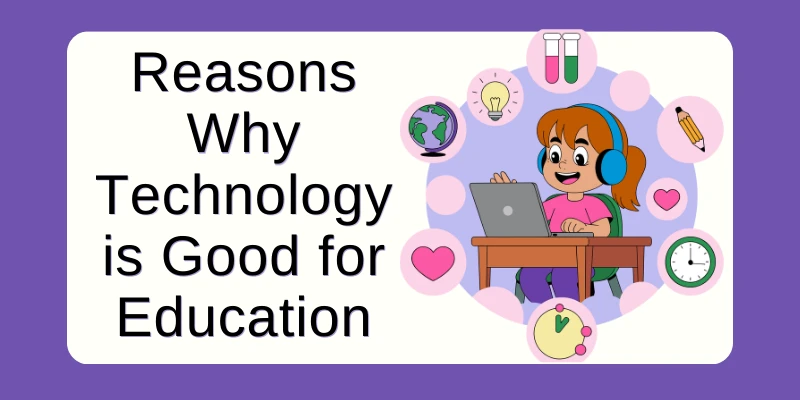
10 Reasons why Technology is Good for Education
Technology is an important part of our daily lives today. Devices help us work, learn, and stay connected. Opinions change on whether technology is always helpful or not but it’s clear that it offers many benefits, especially in education.
Technology allows teachers and students to learn in new and exciting ways. In the following article, we’ll explore 10 reasons technology is improving education.
Access to More Learning Materials
Technology gives students instant access to a wide range of learning resources. Instead of relying on traditional textbooks, students can easily find relevant books, videos, and research articles online.
These innovations in technologies let them explore new topics quickly and enhance their understanding of subjects in less time.
Learn at Your Own Pace
Technology allows lessons to be customized to fit the individual needs of each student. Students can progress at their own speed and improve their understanding of the subject through quizzes, videos, or interactive lessons on educational apps and websites like Khan Academy and Duolingo.
This benefit of technology helps students learn based on their personal needs and progress.
Helps Teachers Teach More Effectively
Technology helps teachers make their lessons more interesting and interactive with amazing animation videos and presentations. Teachers can use videos, apps, and educational games to explain complex topics more clearly.
These tools make learning easier for students and keep them engaged.
Makes Learning More Engaging
Sometimes the old ways of learning can be boring but technology can make learning more fun. Students can learn about history, science, and math in fun and new ways with virtual reality (VR) and augmented reality (AR).
Learning may also be made more entertaining through the use of games and interactive classes.
Connects Students Around the World
Technology allows students to connect with others globally. Online courses and learning platforms allow students from all over the world to access quality education.
Whether it’s a degree program or a language-learning app, students no longer need to be in a physical classroom to learn.
Supports Students with Special Learning Needs
Technology may benefit students with a variety of learning requirements, including those with disabilities. Screen readers, speech-to-text software, and closed-captioning technology help make learning more accessible to everyone.
Students with visual disabilities can utilize audiobooks, while those with dyslexia disease can use text-to-speech software.
Better Collaboration and Communication With Teachers
Technology may benefit children with a variety of learning requirements. Technology increases collaboration among students and professors. Platforms such as Google Classroom, Microsoft Teams, and Zoom enable students to exchange files, interact, and collaborate on projects in real time.
These emerging technologies in online communications promote collaboration and help to build abilities such as critical thinking and creativity.
Prepares Students for Future Careers
As technology becomes more important in many professions, students must have digital skills to succeed in the industry. Students learn hands-on experience with tools and systems that they will need in their jobs by incorporating technology into their education.
These technological benefits prepare students for careers in technology, healthcare, and finance.
Instant Feedback and Assessment
Teachers can use technology to provide rapid feedback on their students’ work. Online quizzes, computerized grading, and digital assignments allow teachers to measure student progress quickly.
This method of online feedback helps teachers to identify areas where learners require further assistance and give focused support.
Learning Anytime, Anywhere
Learning is no longer limited to the classroom because of technology. Students may access lectures and assignments from anywhere using their phones, tablets, or laptops. Whether at home, on the bus, or holiday, kids may continue to study and complete their work.
Conclusion
Technology has positively impacted education, making learning more accessible, individualized, and engaging. It provides students with the skills they need to succeed in the future while also offering instructors practical techniques to improve the learning experience.
As we continue to embrace technology in education, the possibilities for improving teaching and learning are endless.
If you found this helpful, share it with your friends and explore more articles on our website, Complete Tech Guide!
Question about why Technology is Good for Education
Let’s look at common FAQs about the reasons why technology is good for Education:
Technology makes learning easier and more engaging.
It offers tools like videos, online resources, and interactive lessons that help students understand and remember lessons better. Teachers can also use it to track progress and provide feedback in real time.
The benefits of technology in education are vast.
It enhances learning by providing interactive tools and connecting students to a world of information online. The purpose of technology is to improve how we teach, make learning more affordable, and prepare students for future careers by developing essential digital skills.
Technology helps us study by offering resources like apps and online courses.
Students can access digital textbooks, watch educational videos, and take quizzes to test their knowledge. These devices allow students to study at their own speed and from anywhere, giving them more control over their learning.
The best technology for education includes interactive apps, online platforms, and virtual classrooms.
Students and teachers may easily connect using platforms such as Google Classroom and Zoom. Additionally, educational applications such as Khan Academy and Duolingo provide courses in several areas. Virtual reality (VR) and augmented reality (AR) can enable immersive learning experiences.
Technology prepares students for future careers by teaching essential digital skills.
Students learn how to use computers, research information, and collaborate online. These skills are essential for success in today’s digital world. Technology also fosters creativity and problem-solving, skills that are valuable in any career.
Technology has revolutionized education by replacing paper with digital tools.
Students used to rely on textbooks, but today they may access information through tablets, laptops, and online platforms. The growing popularity of online learning, interactive applications, and virtual reality has made education more entertaining and accessible to all.



- Be Respectful
- Stay Relevant
- Stay Positive
- True Feedback
- Encourage Discussion
- Avoid Spamming
- No Fake News
- Don't Copy-Paste
- No Personal Attacks
- Be Respectful
- Stay Relevant
- Stay Positive
- True Feedback
- Encourage Discussion
- Avoid Spamming
- No Fake News
- Don't Copy-Paste
- No Personal Attacks
